Inside LX3 / Collection 001
Kinship.
The Foundation.
Love through action. The exchanges, relationships and lessons that brought this collection to life.
Read the story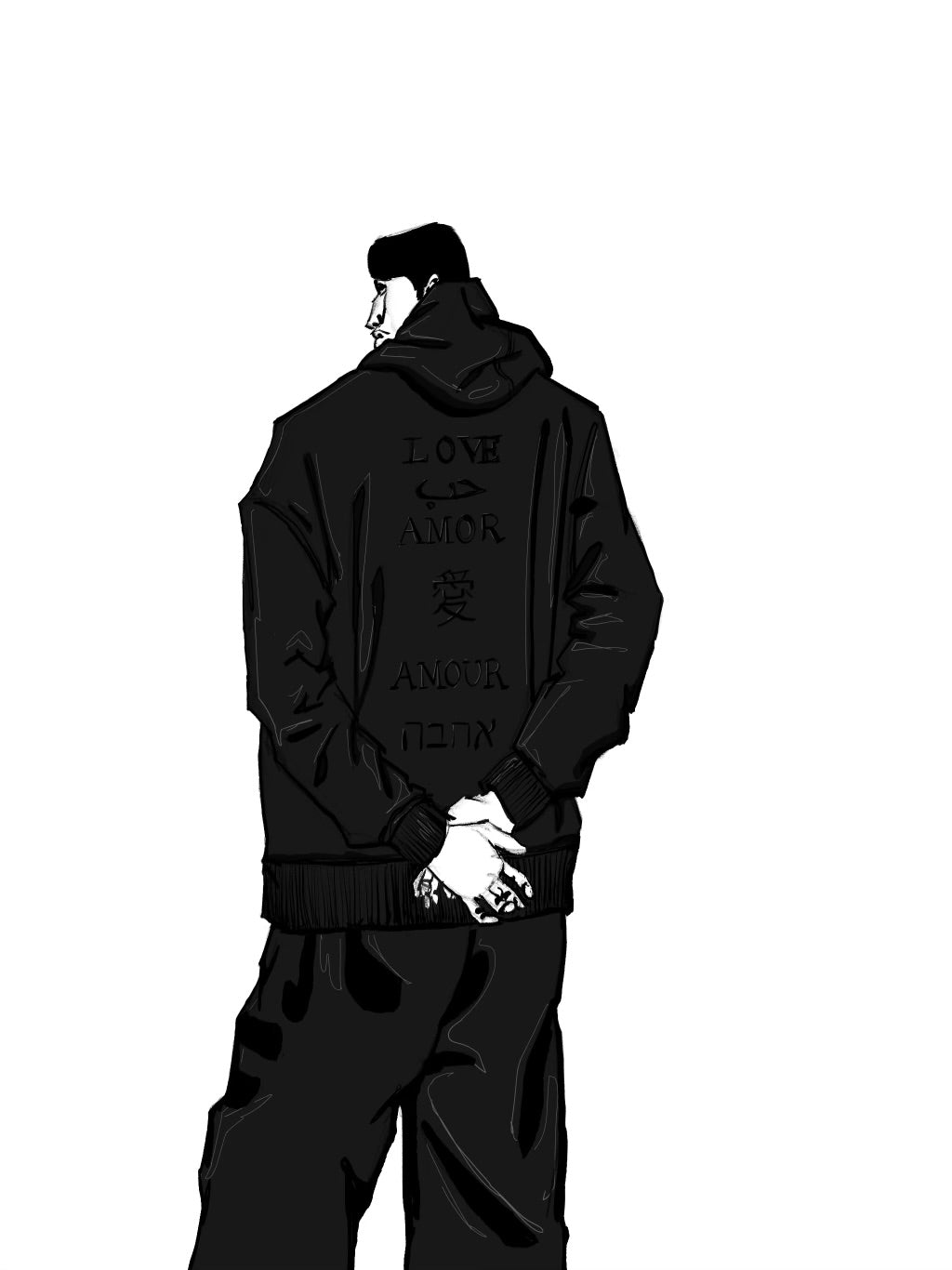

001 / Notes on Kinship
What we give.
What we carry.
Time. Value. Perspective.
Effort. Craftsmanship.


01 / Where it started
More than
a name.
Originally, a lot of people rolled their eyes at the name of the collection, “Kinship.” It was a running joke that the weight of the pieces—very heavy—represented the hugs I never got as a kid.
In reality, I’d just finished reading Claude Lévi-Strauss’ The Elementary Structures of Kinship, and I found tons of parallels between his work and my journey at the time that I thought sounded cool.
His work questioned how social categories—kinship, race, class—had originated, and why they could feel compulsory, as though they belonged to the “natural order.”
What stayed with me was the idea of exchange: the move from nature to culture through giving. The self and the other. One group and another. Relationships taking shape through what passes between us.
Reciprocity—the recognition that gifts create mutual obligations between those who give and receive—became a foundation for how I understood the collection.
02 / Love through action
What we
give.
Time. Value.
Perspective. Effort.
Craftsmanship.
This collection highlights the elements and founding principles that brought it to life. Primarily, love through action. With every exchange exposing something new.
Kinship explores the relationships built on these exchanges—first social, then physical. Several rounds of creation happened before any definite forms took shape. As the work evolved, so did the dynamics of each relationship along the way. Some for better, some for worse.

03 / The weight of it
Love has
weight.
The pieces felt heavy because real relationships are.
Through this journey, the collection found life and a meaning of its own. Love was translated into several languages because, at the end of the day, no matter the background, that’s what we’re ultimately expressing—love. The lack or abundance of it.
This process also exposed me to myself. I saw how my ambition was at times misguided by fear, past experiences and a general anxiousness, often driving me to move counter to my aims.
I saw self-imposed limitations masquerading as intelligence.
04 / The foundation
The missing
piece was me.
Kinship was set to release three years ago. But I was scared at times, which led me through cycles of starting and stopping because I felt something was missing externally.
It wasn’t until I was forced to slow down and focus on myself that I found much of the battle was internal—the missing piece was me.
Ultimately, this campaign taught me resilience. To love and value myself through the ups and downs. To learn the infrastructure before the optics. And to risk moving forward with what I have, even when I don’t feel completely “ready.”